Boardroom Lunch Catering in Sydney: What the Best Companies Do Differently
A boardroom lunch is one of the most concentrated opportunities a business has to communicate something about itself and most of them waste it. Not with bad food, necessarily. More often with generic food. Platters that could have come from any catering company in any city. Sandwiches that nobody particularly wanted. A spread that says, quietly, that this meeting was organised, not considered.
The companies that get it right understand something different: the lunch isn't separate from the meeting. It is part of the meeting.
Here's what they do and what's worth thinking about if you're organising a boardroom lunch in Sydney.
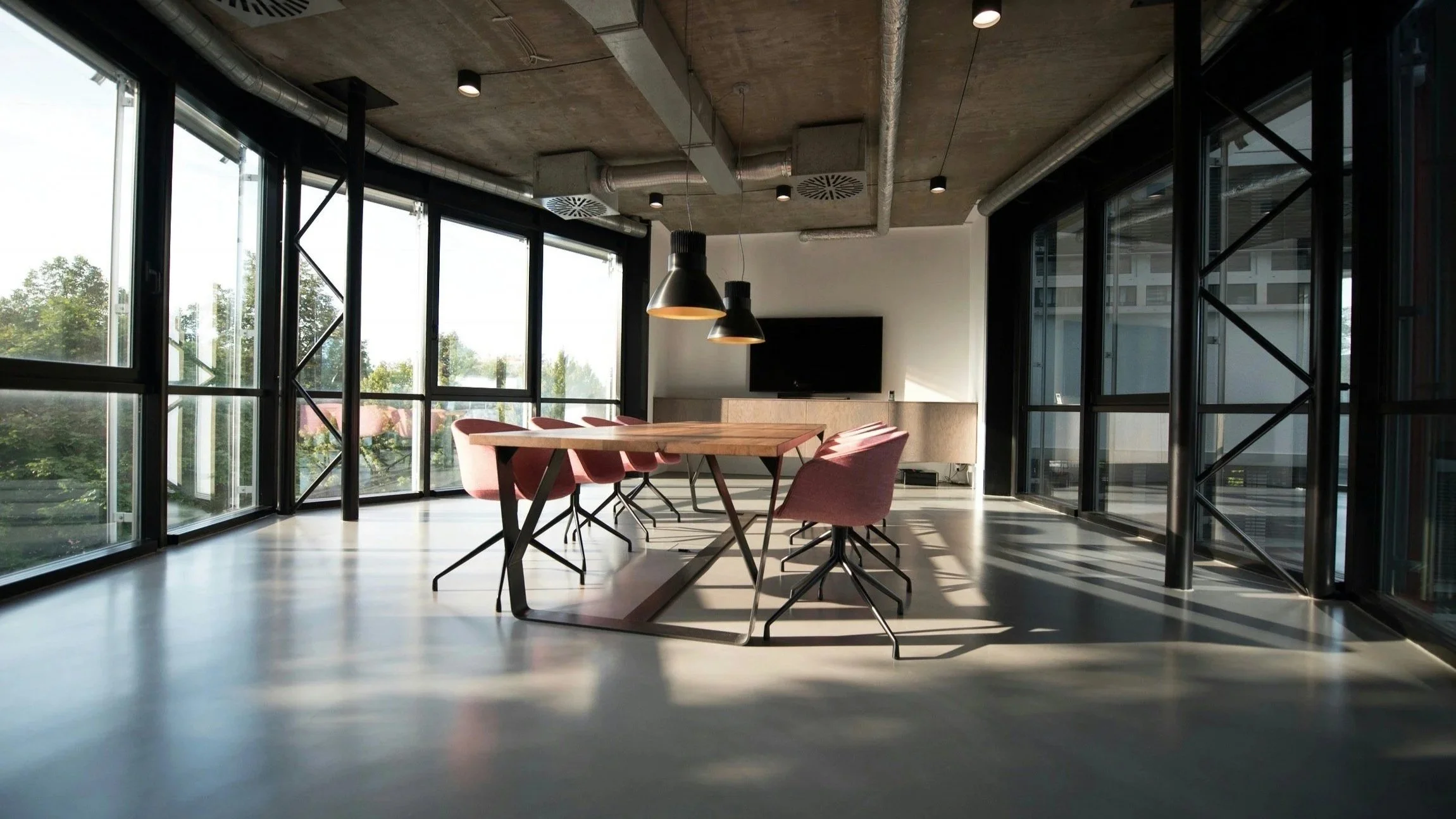
Boardroom lunch
They match the food to the stakes of the room
A quarterly internal team lunch and a lunch with a prospective investor are not the same occasion. The best companies treat them differently.
For internal team gatherings, the priority is usually ease and inclusion : something that works around dietary requirements, doesn't slow the meeting down, and gives people a genuine break. Shared platters, a relaxed spread, something that brings energy rather than ceremony.
For a client lunch, a board meeting, or a high-stakes conversation, the calibre of the food sends a signal before anyone says a word. A French-trained chef cooking on-site, seasonal produce, a menu built around the occasion : it communicates that your company pays attention to detail. Which is exactly what you want the other side of the table to believe about you.
They brief the caterer like a business partner, not a vendor
Generic catering produces generic results. The companies whose boardroom lunches are consistently excellent treat the caterer conversation the same way they'd treat any important briefing. That means coming in with clarity on:
The format. Sit-down plated lunch, shared dishes, working lunch with platters — each shapes the energy of the room differently. A plated lunch slows things down and creates focus. Shared dishes encourage conversation. Working platters keep the meeting moving. Know what you want the room to feel like, and let that drive the format choice.
The guest list and dietary requirements. Collect these before you finalise anything. A client or board member who can't eat what's been served is an avoidable problem and the best caterers need this information at the briefing stage, not the day before.
The space. Boardrooms vary significantly in what's available. Some have full kitchen access; others have almost nothing. A private chef who regularly works in corporate environments will know how to adapt but they need to know what they're working with.
The signal you want to send. This sounds intangible, but it's useful. A relaxed French bistro feel is different to a refined fine dining experience. A lunch designed to impress a new client is different to one designed to celebrate a team. Getting clear on the intent helps the caterer make better decisions across every element.
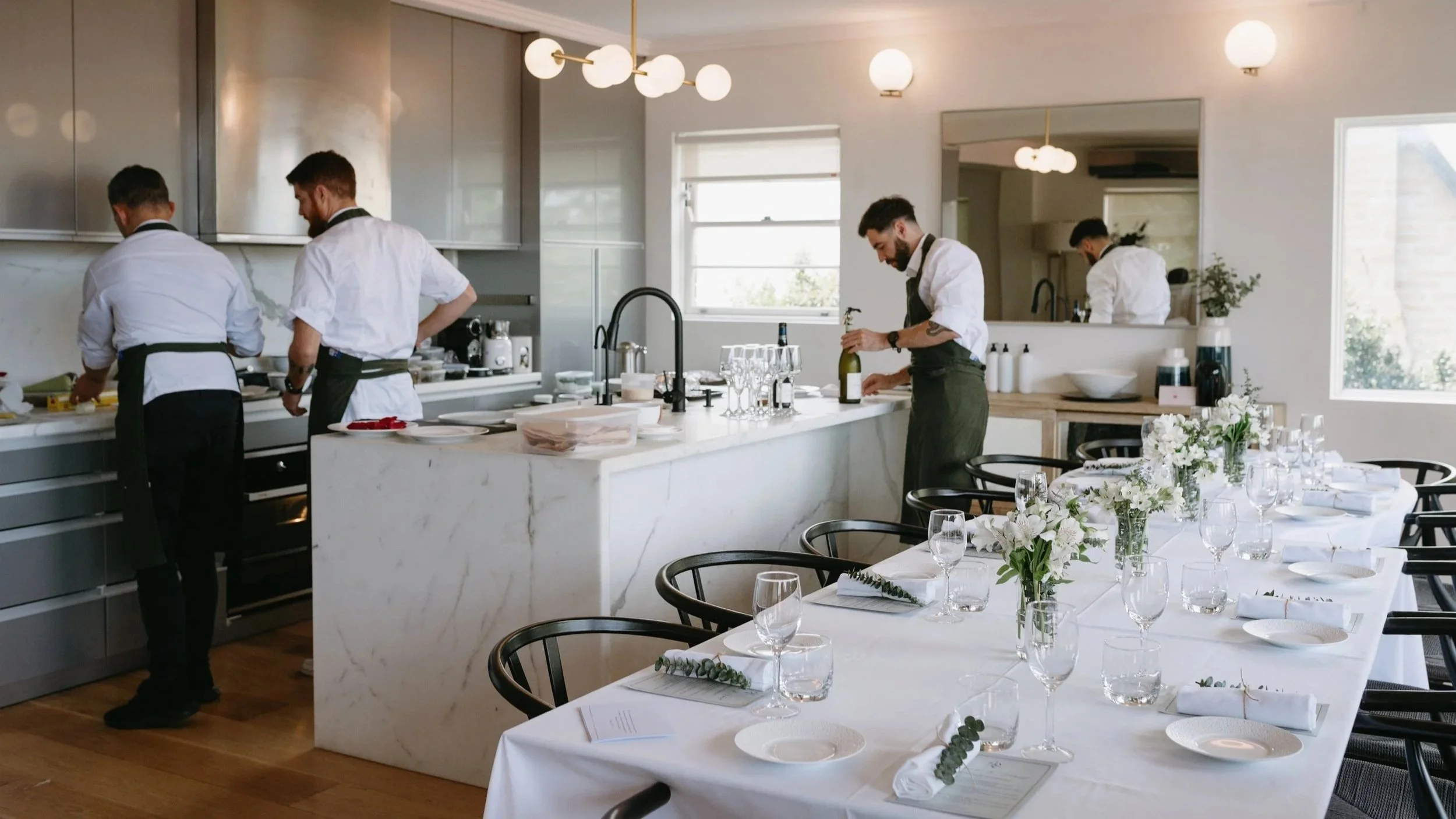
On-site cooking by a private chef
They understand the value of on-site cooking
There's a meaningful difference between a catering company that delivers food and a private chef who cooks on-site. The food is fresher. The service is more attentive. And the experience (the smells from the kitchen, the plates arriving warm and timed…) communicates something that a drop-off platter simply can't.
For a boardroom lunch in particular, on-site cooking elevates the formality without making the room feel stiff. Guests notice. Clients remember.
At Noranise Dining, Chef Pierre arrives ahead of time to set up and prepare everything in your space whether that's a CBD boardroom, a North Shore office, or a private venue. The food is cooked fresh, served properly, and the team clears everything before they leave. You manage the meeting; Pierre manages everything else.
They build in time for the food to do its work
One of the most common mistakes with boardroom lunches is treating them as a refuelling stop, something to squeeze into 30 minutes between agenda items.
The companies that get the most out of a corporate lunch build in time for the table to breathe. Conversation happens over food in a way it often doesn't happen in a meeting. Relationships shift. The business that takes place in the 20 minutes after a well-paced lunch is often more valuable than what came before it.
That doesn't mean hours at the table. It means 60 to 90 minutes, a menu that moves at the right pace, and a caterer who understands the rhythm of a business lunch rather than just the logistics of serving it.

What a boardroom lunch with Noranise Dining looks like
A typical boardroom lunch with Chef Pierre at Noranise Dining is built around two to three courses, with optional canapés on arrival if the timing works.
It might open with an elegant entrée — a leek and parmesan tart, a refined seafood preparation — move into a French-inspired main course built around the best seasonal produce, and close with something that finishes the meal properly rather than trailing off.
The menu is tailored to the brief, the headcount, and the occasion. Dietary requirements are incorporated from the start. And the overall experience, from arrival to packdown, is managed without requiring anything from you on the day except showing up.
For boardrooms of 8 to 25 guests, this format works particularly well. Larger corporate events are also available, see our corporate catering page for more.
What to budget
A boardroom lunch with a private chef in Sydney typically sits between $90 and $180 per head, depending on the number of courses, headcount, and level of service. This covers the food, on-site cooking, and packdown.
For a group of 10–15 executives or clients, the cost is comparable to a high-end restaurant but the experience is considerably more controlled, more personal, and more reflective of your company's standards.
The right approach is to share your brief and get a tailored quote. It takes five minutes and gives you a clear picture before anything is committed.
Book early, especially in peak periods
Sydney's best private chefs for corporate events fill up quickly, particularly in the October-to-December quarter and around EOFY. Three to four weeks' notice is comfortable for a boardroom lunch. Less than two weeks is possible but limits your options.
If you have a recurring need like monthly board lunches, quarterly client events, it's worth discussing a longer-term arrangement directly.
Planning a boardroom lunch in Sydney? Contact Noranise Dining to discuss your brief or explore our corporate catering services to see how Chef Pierre works with Sydney businesses.