Plated Dinners vs. Grazing Stations : Choosing the Best Event Catering Style
One of the most critical decisions an event organizer makes is selecting the service style for their guests. The way food is presented and served shapes the flow of the evening, dictates guest movement, influences conversation, and directly impacts your event budget and staffing requirements.
In Sydney’s dynamic event landscape, two catering formats dominate high-end gatherings: the classic formal plated dinner and the contemporary interactive grazing & canapé station. Both styles offer distinct advantages, but choosing the right one requires a clear understanding of your venue, timeline, guest demographic, and event objectives.
With Noranise Dining, we propose different types of menu, check them here.
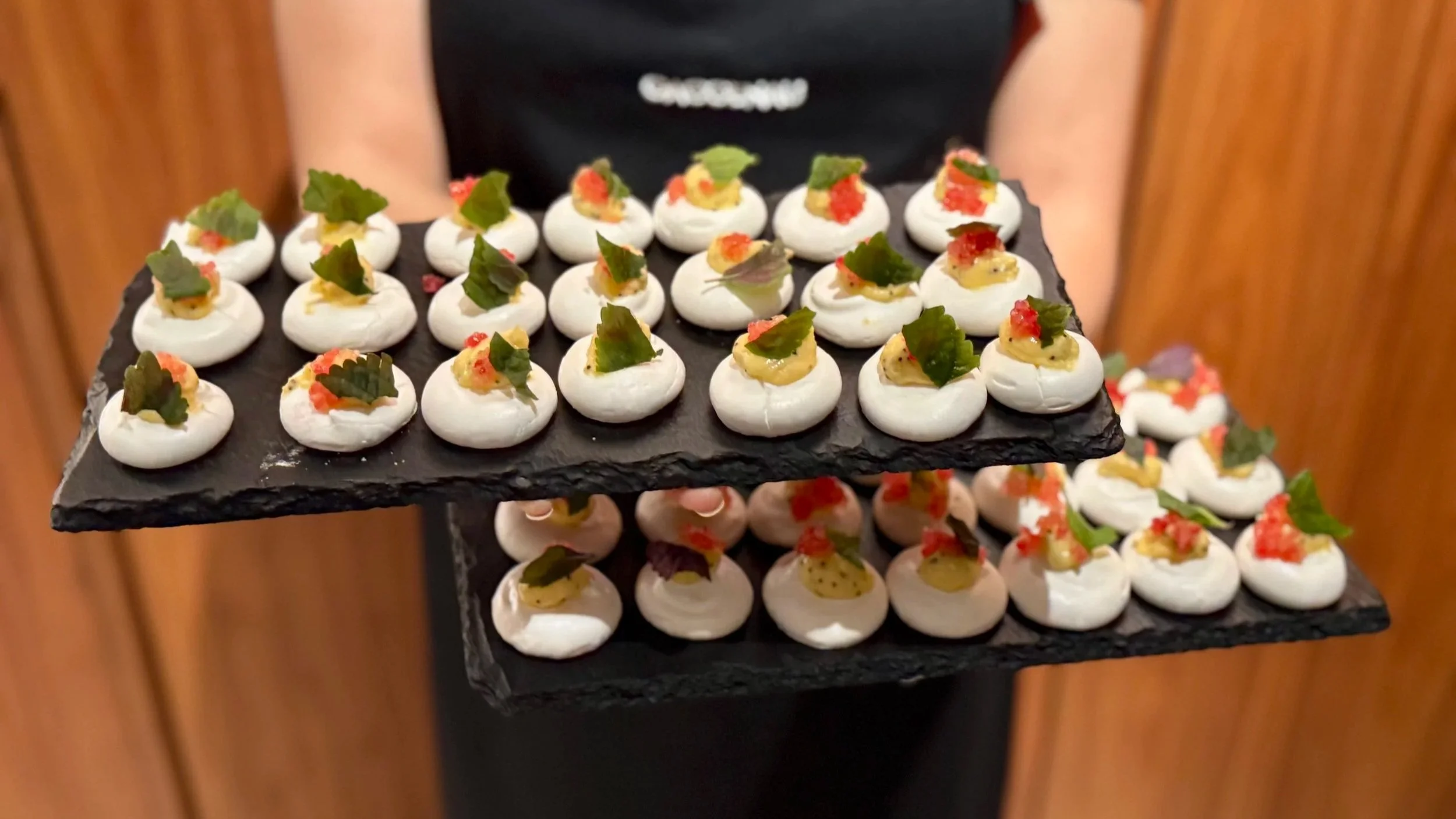
Roving canapés
Formal plated dinners
A plated dinner is the traditional benchmark for formal occasions. Guests are seated at designated tables, and courses (typically two to three) are served directly to them by professional waitstaff.
Advantages of plated dining
Precision timings: Plated dinners offer exact control over the event schedule. You can map speeches, awards, or audiovisual presentations down to the minute between courses.
Elegance & VIP experience: Seated service delivers an undeniable sense of luxury and hospitality. Guests can relax without queuing for food.
Visual presentation: Every dish is individually plated, dressed, and garnished by professional chefs, ensuring artistic presentation.
Portion control & dietary management: Dietary requirements (gluten-free, vegan, nut allergies) are pre-allocated to specific table numbers, eliminating cross-contamination risks.
Considerations & Challenges
Higher overhead costs: Requires substantial floor staff, dedicated chefs for plating, table linen, full cutlery setups, and extensive glassware rentals.
Venue requirements: Demands a venue with a fully equipped commercial kitchen space and sufficient room for formal table layouts.
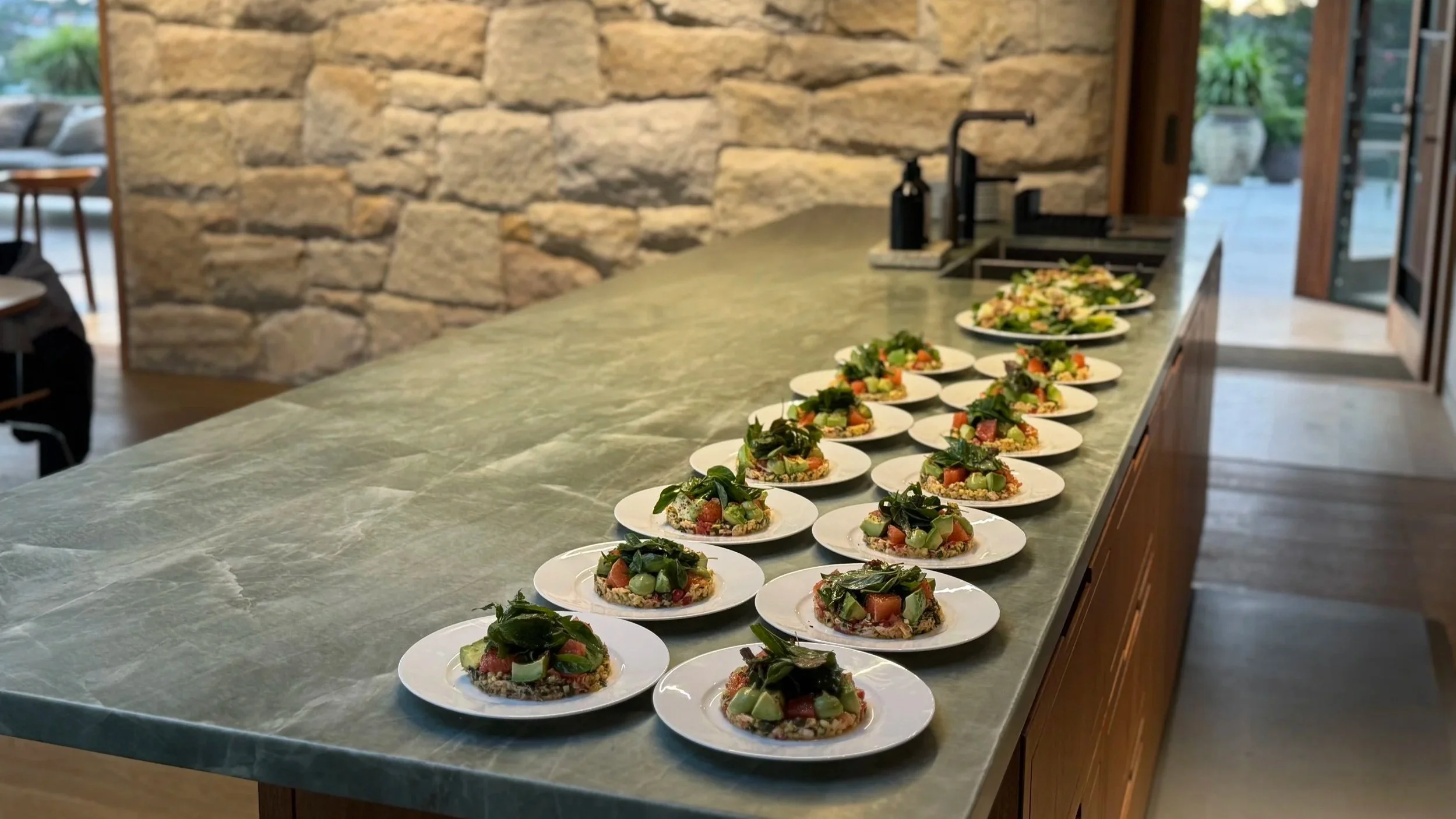
Plated dinner preparation
Grazing Stations & roving canapés
Grazing stations, interactive food bars, and roving canapé menus represent the modern, social side of Australian dining culture. Food is either served on artfully arranged, elevated communal tables or brought continuously to guests by moving waitstaff.
Advantages of grazing & canapé service
Maximizes networking & interaction: Without fixed seating, guests move freely around the venue, encouraging dynamic networking and conversation.
Spatial efficiency: Ideal for unique venues, art galleries, rooftop bars, or outdoor marquees where traditional seated tables cannot fit.
Diverse culinary choices: A grazing setup allows caterers to present a wide variety of cuisines, textures, and dietary options in one space.
Visually striking centerpieces: Abundant grazing tables loaded with artisan cheeses, cured meats, native chutneys, and fresh fruits create an immediate "wow factor" for photos.
Considerations & Challenges
Less control over timings: Because food service is continuous, drawing guest attention away for formal speeches or presentations can be challenging.
Seating fatigue: Older demographics or long events (over 4 hours) require sufficient lounge or cocktail seating to prevent guest fatigue.
Detailed comparison table
Feature Formal Plated Dinner
Primary Atmosphere : Structured, prestigious, traditional
Best Event Types : Weddings, Gala Dinners, Awards Nights
Staffing Density : High (1 waiter per 10–12 guests + plating chefs)
Tableware Needed : Full cutlery, glassware, dinnerware, linens
Dietary Handling : Highly controlled per guest seat
Venue Space Needed : Large footprint for tables and service paths
Interactive Grazing & Canapés
Primary Atmosphere : Vibrant, social, relaxed luxury
Best Event Types : Cocktail Parties, Product Launches, Networking
Staffing Density : Moderate (Roving waiters + station chefs)
Tableware Needed : Small plates, napkins, cocktail cutlery
Dietary Handling : Self-selected with clear station labeling
Venue Space Needed : Flexible footprint, higher guest density
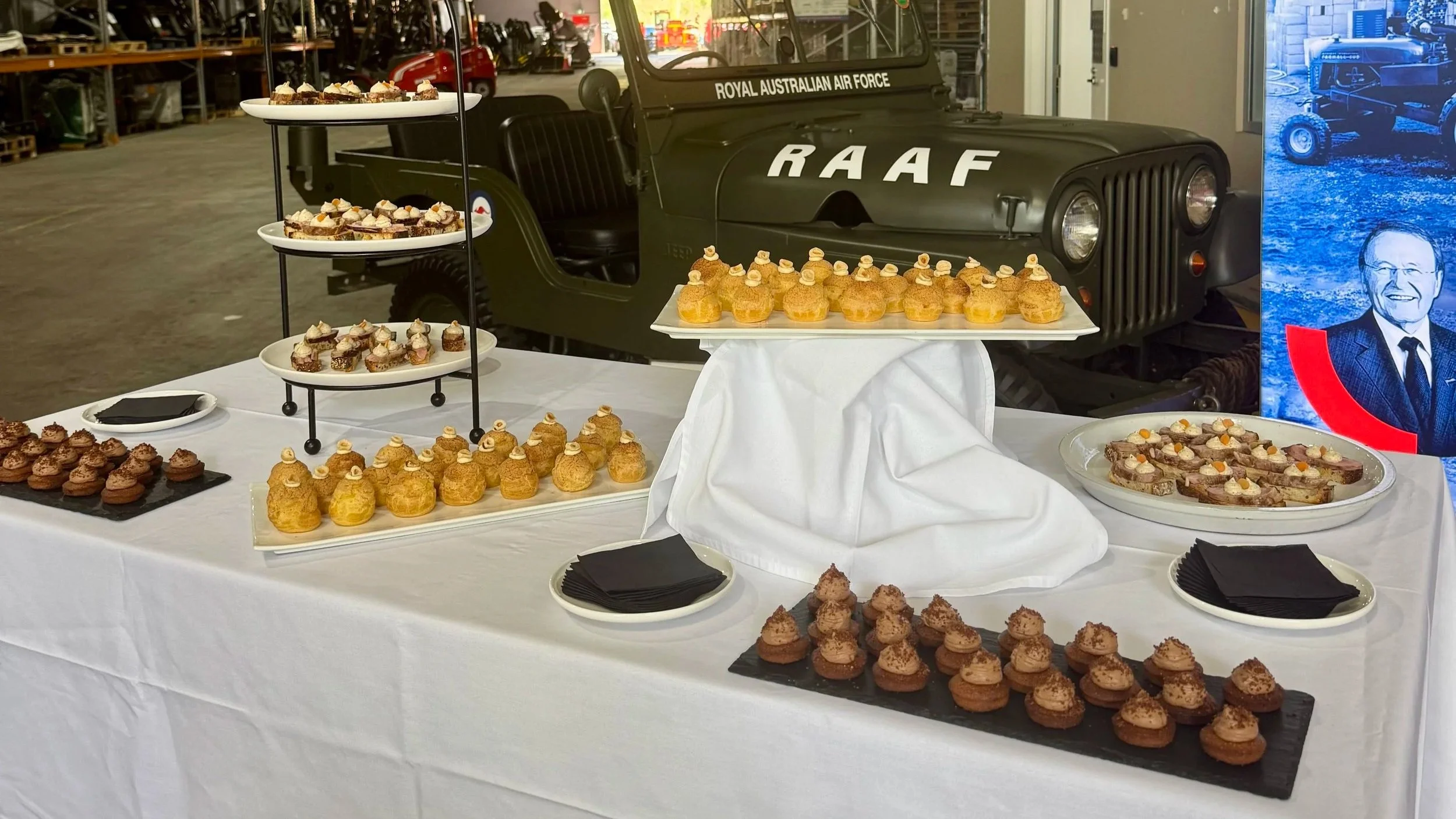
Grazing station for a corporate event in Sydney
How to decide : Key questions to ask your caterer
To determine which format best suits your event, run through this simple decision framework with your catering team:
What is the primary goal of the event? If the goal is honoring an individual or listening to keynote speakers, choose Plated. If the goal is team bonding or networking, choose Grazing.
What are the venue's back-of-house facilities? If your venue lacks a commercial kitchen, a cold grazing table setup combined with finishing ovens for canapés is vastly more practical than plating 100 hot steaks simultaneously.
What is your guest demographic? Corporate executives and international delegates often expect the structure of a plated meal, whereas creative agency teams or younger audiences often prefer grazing and cocktail formats.
By aligning your catering format with your event objectives, you guarantee a seamless flow that leaves a lasting impression on your guests. Noranise Dining bridges the gap between formal fine dining and modern cocktail catering. Our chefs design tailored alternate-drop menus for prestige corporate galas as effortlessly as they curate lavish, artfully styled grazing tables packed with local Australian produce, native chutneys, and artisanal cheeses.
Find Your Perfect Event Format
Unsure whether a plated menu or a grazing station fits your venue in Sydney?
Schedule a consultation with Chef Pierre from Noranise Dining. He will evaluate your space, guest list, and event goals to curate a seamless service style.